September 23, 2026
Neurotherapy: Helping Your Child’s Brain and Body Find Calm
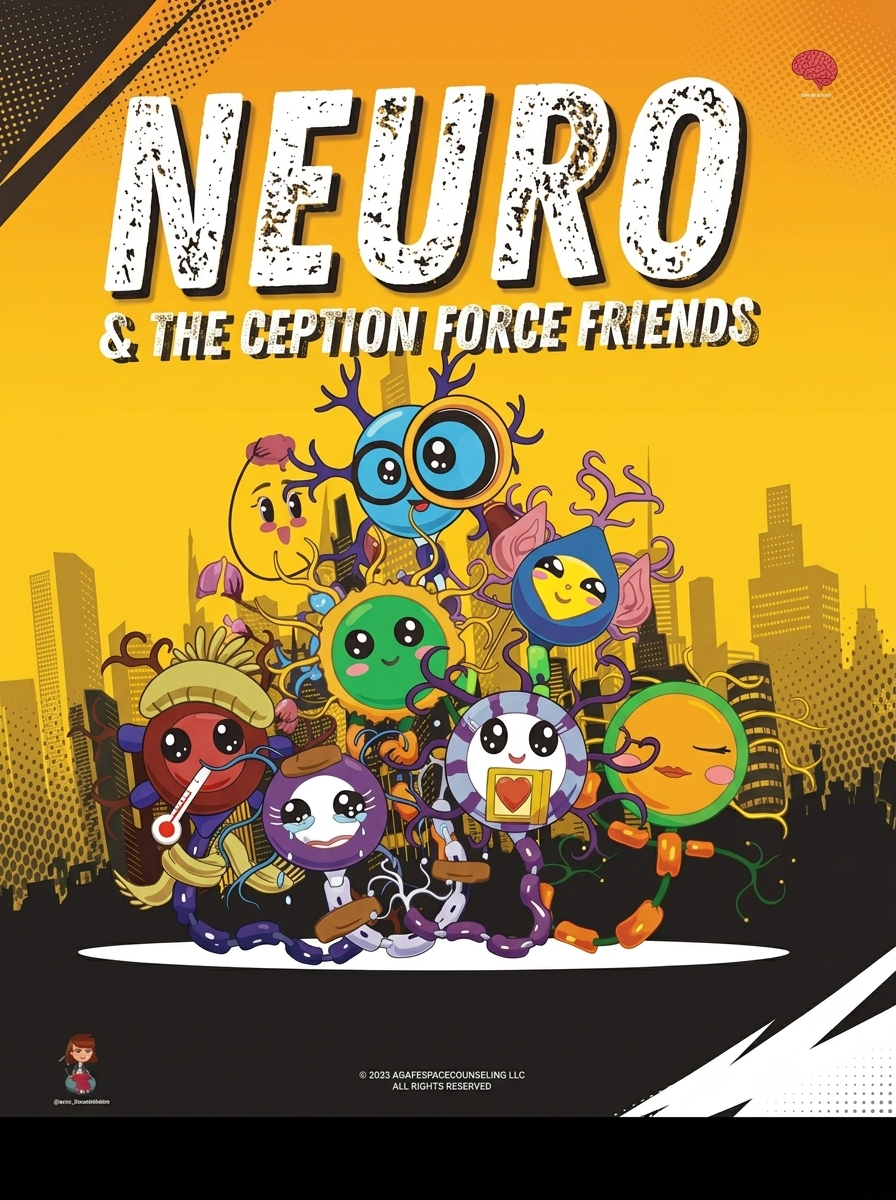
If you’ve heard the word “neurotherapy” and wondered what it actually means for your child, you’re not alone. Many of the families we meet at A Safe Space Counseling are curious about brain-based approaches to anxiety, attention challenges, and big emotions — and rightly so, because understanding the nervous system can be a powerful piece of the healing puzzle. Neurotherapy, sometimes called neurofeedback, is one of several neuroscience-informed tools we can weave into a child’s care alongside play therapy and family support.
What Is Neurotherapy?
[1] Neurofeedback—also called neurotherapy—is a non-invasive, mind-body technique that aims to help individuals harmonize their brain waves, using sensors placed on the scalp to measure brainwaves and provide real-time feedback about how the brain reacts to certain triggers. Over time, with practice, a child learns to recognize when their brain is in a certain state and, over time, to recreate a desired calm, focused state or move away from an agitated one. Think of it like a gentle mirror for the brain — showing it, moment to moment, when it’s settled and helping it practice getting back there more easily.
What Does the Research Say?
Neurotherapy has been studied most extensively for attention and self-regulation challenges. [2] Following APA guidelines for rating evidence, “standard” neurofeedback protocols — including theta/beta, sensorimotor rhythm, and slow cortical potential training — have been found to be efficacious and specific based on meta-analyses and large multicenter randomized controlled trials. [3] Two meta-analyses confirmed significant efficacy of standard neurofeedback protocols for parent- and teacher-rated symptoms with a medium effect size, and sustained effects after 6-12 months. Researchers are also finding promise in pairing neurofeedback with other approaches: [4] it’s important to view neurofeedback as a complementary therapy rather than a standalone treatment, with effectiveness considerably enhanced when integrated with other therapeutic strategies such as cognitive-behavioral therapy. That’s good news for families, because it means neurotherapy doesn’t have to stand alone — it can support the deeper relational and emotional work that happens in play therapy.
Why the Nervous System Matters So Much for Kids
Children aren’t just “misbehaving” when they melt down, shut down, or can’t sit still — often, their nervous system is doing exactly what it was designed to do: protect them. [5] Polyvagal theory is anchored in foundational principles addressing how the autonomic nervous system regulates and adapts to states of illness, injury, and threat, offering a stable framework for understanding these responses. And the good news is that regulation is a skill that can be nurtured. [6] Understanding the development of stress reactivity and regulation is crucial for uncovering how early adverse experiences influence mental and physical health — and with the right support, co-regulation, and tools like neurofeedback, children can build a more flexible, resilient stress-response system over time.
How This Fits Into Whole-Child Care
At A Safe Space Counseling (soon Neuroplay Counseling), we believe healing happens best when we address the whole child — brain, body, and relationships. Neurotherapy can be a wonderful complement to play therapy, EMDR, and attachment-focused parent support, especially for kids who struggle with attention, anxiety, or big-feeling meltdowns. It’s never about “fixing” a child or pathologizing normal childhood behavior — it’s about giving their nervous system more tools to feel safe, connected, and capable.
If you’re curious whether neurotherapy or another approach might be a good fit for your family, we’d love to talk with you. Every child’s path to feeling safe and regulated looks a little different, and we’re here to walk alongside you as you find yours. Reach out to A Safe Space Counseling today to schedule a conversation — your child’s calm, confident story is still being written, and we’d be honored to help.
Sources
- PMC (NIH) — Neurofeedback as a Treatment Intervention in ADHD: Current Evidence and Practice
- PubMed (NIH) — Neurofeedback and Attention-Deficit/Hyperactivity-Disorder (ADHD) in Children: Rating the Evidence and Proposed Guidelines
- Child and Family Institute — Neurofeedback Therapy Fact Sheet
- Scientific Reports (Nature) — Neurofeedback training for executive function in ADHD children: a systematic review and meta-analysis
- PMC (NIH) — Polyvagal theory: a journey from physiological observation to neural innervation and clinical insight
- PMC (NIH) — The Development of Stress Reactivity and Regulation in Children and Adolescents