October 5, 2026
A Safe Space Counseling is Becoming Neuroplay Counseling!
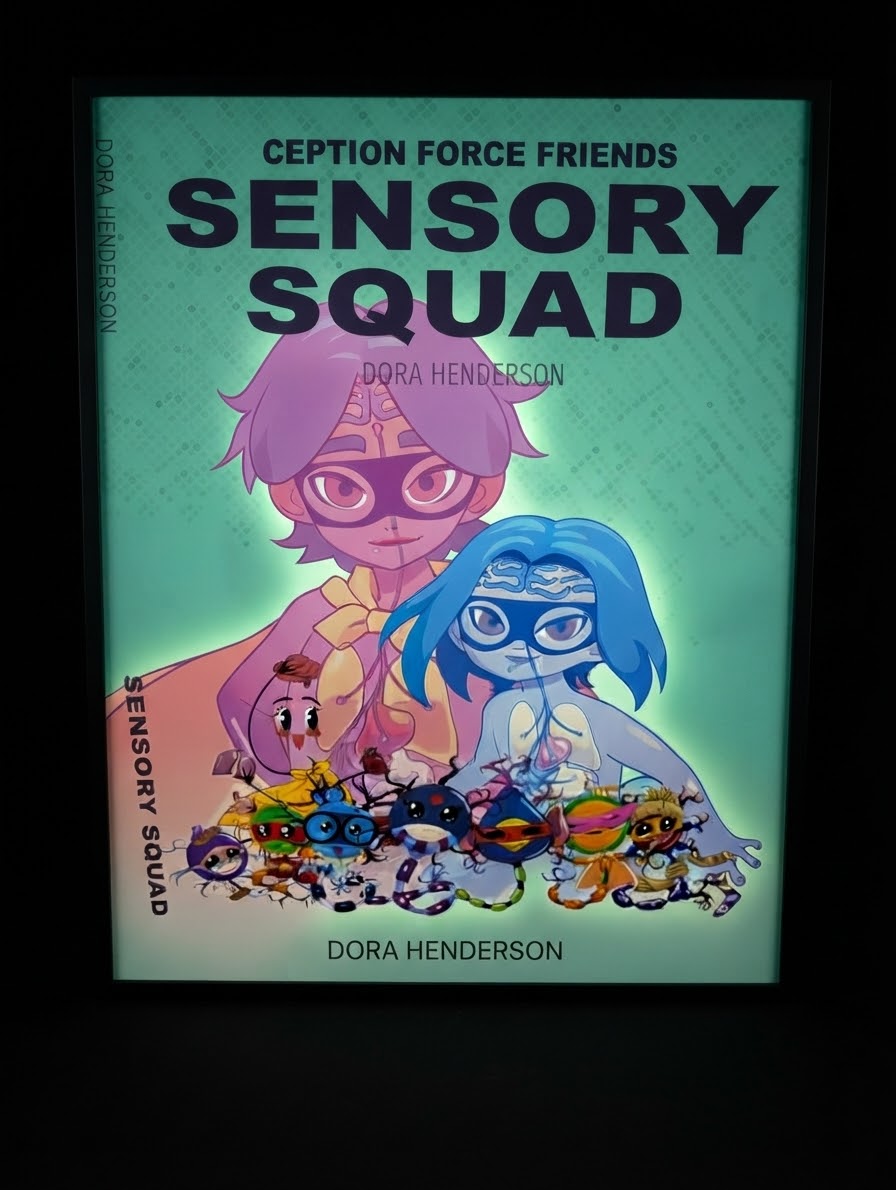
Big, joyful news from our team: A Safe Space Counseling is growing into Neuroplay Counseling! The warmth, the welcoming playroom, the same trusted faces of Dora Henderson and Ryan Uner — all of that stays exactly the same. What's changing is our name, and we wanted to take a moment to share why, and what it means for your family moving forward.
Why "Neuroplay"?
Our new name reflects something we've believed since day one: play isn't just fun — it's how children's brains and nervous systems process, heal, and grow. Play therapy is a structured, evidence-based approach used by licensed mental health professionals to help children work through complex emotions using their natural language: play.[1] Decades of research — including meta-analyses of more than 100 outcome studies — have found that play therapy produces moderate to high positive effects and is equally effective across age, gender, and presenting concern.[2] "Neuroplay" simply names what we've always practiced: therapy that honors the brain-body connection and uses play as real, effective treatment.
The Science Behind Our Approach Isn't Changing
Whether we're using play therapy, EMDR, or nervous-system-informed strategies, our work is rooted in how children's bodies and brains respond to safety and stress. Polyvagal theory, developed by Dr. Stephen Porges, explores the relationship between the autonomic nervous system and behavior, particularly around safety and social engagement, introducing the concept of "neuroception" — the body's subconscious scan for cues of danger or safety.[3] Understanding this helps us meet children exactly where their nervous system is, rather than asking them to simply "calm down" on command.
We also continue to offer EMDR for children processing distressing memories or big-T and little-t trauma. A systematic review and meta-analysis of randomized controlled trials found a significant, large effect of EMDR treatment compared with waitlist or usual care for children and adolescents with PTSD, across populations including survivors of violence and displacement.[4] For many of our young clients, combining EMDR's structured reprocessing with the safety of a playroom makes healing feel less overwhelming and more within reach.
A Name That Honors Neurodiversity-Affirming Care
"Neuroplay" also reflects our deep commitment to neurodiversity-affirming care — an approach that recognizes neurodivergence not as something to fix, but as a difference to understand and support. Neurodiversity-affirming practice aims to provide a service environment that accepts, understands, and values each child's unique ways of thinking, feeling, and functioning, shifting the focus from changing behavior to understanding and meeting children's needs.[5] Whether your child is autistic, has ADHD, or simply processes the world in their own beautiful way, our goal is to support their authentic growth — never to mold them into someone they're not.
What Stays the Same
Same location in Longwood. Same clinicians. Same gentle, attachment-focused, trauma-informed care your family has come to trust. The only thing that's new is a name that finally captures the neuroscience-informed heart of everything we do.
We're so grateful to walk alongside your family, and we can't wait to keep growing together under our new name. If you have questions about the transition, want to learn more about play therapy or EMDR for your child, or are considering reaching out for the first time, please don't hesitate to contact us — we'd love to welcome you into our Neuroplay family.
Sources
- Insights Psychology — Child Psychology & Play Therapy: Boost Your Child's Growth
- Association for Play Therapy — Play Therapy Makes a Difference
- EBSCO Research Starters — Polyvagal Theory
- NCBI PMC — Clinical and Cost-Effectiveness of EMDR for PTSD in Children and Adolescents: A Systematic Review and Meta-Analysis
- Australian Institute of Family Studies — Neurodiversity-Affirming Practice in Community Mental Health Services