October 18, 2026
A New Name, The Same Heart: Why Safe Space Is Now NeuroPlay Counseling
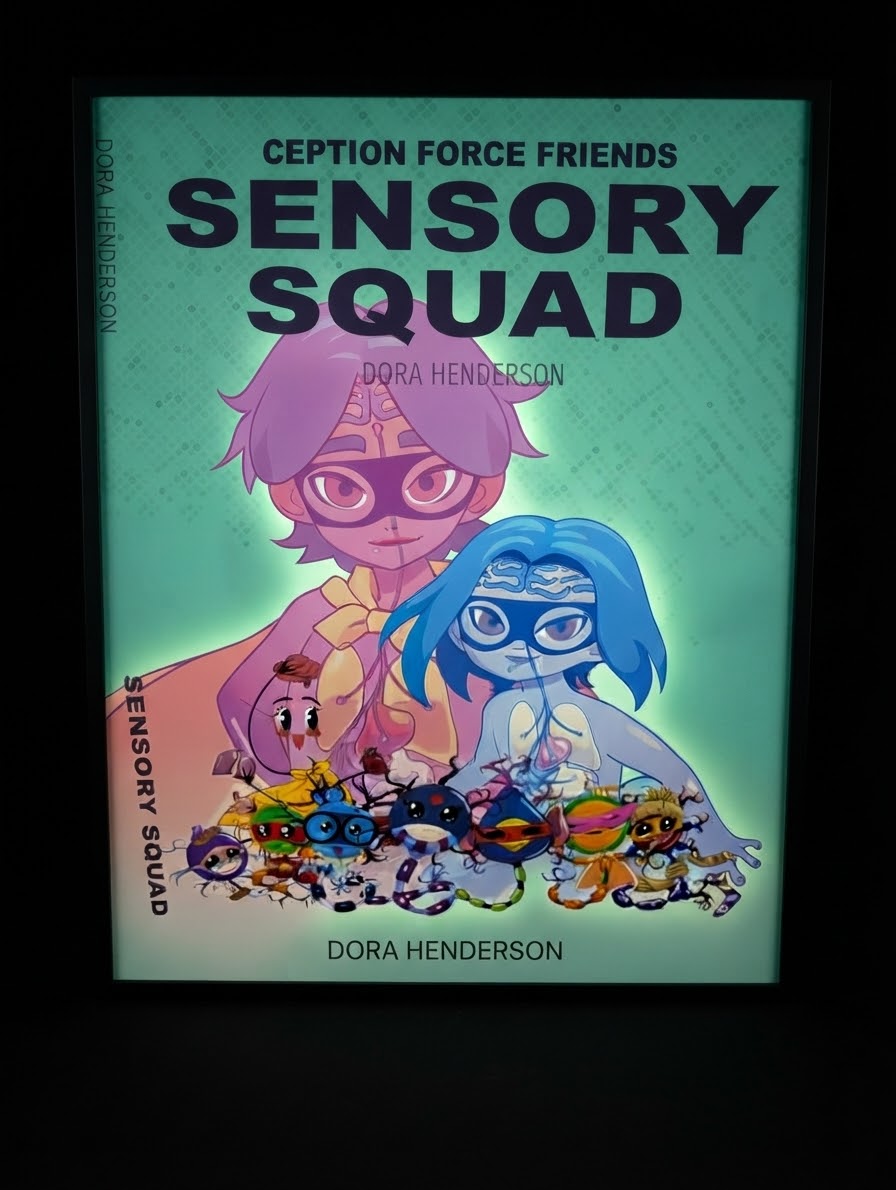
Big news, and we're genuinely giddy to share it: Safe Space, LLC has a new name! As of this season, we're officially NeuroPlay Counseling, LLC. Same cozy playroom, same faces you know and trust (hi from the Safe Space crew!), same deep commitment to your child's growth — just a name that finally says out loud what we've believed all along: the brain and the body are always part of the healing story, and play is how children do their deepest work.
We know rebrands can feel like a big deal, so we wanted to pull back the curtain on why we made this change and what it really means for your family.
Why "NeuroPlay"? It's About the Whole Child
When we opened our doors as Safe Space, our goal was simple: create a place where children and families could let their guard down. That mission hasn't changed one bit — safety is still the foundation of everything we do. But as our practice has grown, so has our focus on something equally important: the nervous system.
Every tantrum, shutdown, meltdown, or sudden burst of silliness is really a child's body telling a story about safety and threat. [1] That's the heart of polyvagal theory, a framework developed by Dr. Stephen Porges that helps us understand how kids' bodies often react automatically, long before their thinking brain gets a vote. [2] When a child feels safe and connected, learning, play, and relationship happen naturally — but when their nervous system senses danger (even if nothing "dangerous" is actually happening), it shifts into survival mode. [2]
This is exactly why play is such a powerful doorway into healing. Play isn't just fun and games (though we do have a lot of fun) — it's a legitimate, evidence-based mental health intervention. [3] Decades of research, including multiple meta-analyses of over 100 outcome studies, show that play therapy produces moderate to high positive effects across a huge range of childhood struggles, and it works just as well regardless of a child's age, gender, or presenting concern. [4] Randomized controlled trials have found that children in play therapy show significant improvement in disruptive behaviors, anxiety, trauma symptoms, self-concept, and relationships. [5] Our new name simply puts those two truths — neuroscience and play — side by side, where they belong.
Still Rooted in Safety, Attachment, and Real Connection
Nothing about our clinical approach is changing. We still believe connection comes before correction, and that regulated, attuned relationships are the soil where growth happens. For children who've experienced big feelings, big transitions, or big trauma, we continue to offer approaches like EMDR, which has a growing evidence base showing it's effective in reducing PTSD symptoms in children and adolescents, including in trials comparing it to waitlist and usual-care conditions. [6] We also continue to weave in playful, body-based regulation strategies, because movement, rhythm, a steady voice, and gentle proximity are often the fastest route to helping a dysregulated nervous system settle. [7]
A Name That Honors Every Brain
We also wanted our name to reflect something we feel strongly about: there is no single "correct" way for a brain to work. [8] Whether a child is autistic, has ADHD, a learning difference, or simply experiences the world in their own unique way, our goal is never to make kids "fit in." It's to understand them, support their nervous system, and help them build a life that feels good from the inside out. "NeuroPlay" is our way of saying: your child's brain is welcome here, exactly as it is.
What This Means for You
In short? Nothing about your care changes — only our name, our logo, and maybe a fresh coat of paint on our website. The same two therapists, the same playroom, the same warm, judgment-free space you've come to know will still greet you at every appointment.
We're so proud of this next chapter, and we're beyond grateful to the families who've trusted us with their most precious people along the way. If you're curious about play therapy, EMDR, or simply want support navigating your child's big feelings, we'd love to meet you. Reach out to NeuroPlay Counseling, LLC today — your family's safe space, now with a name that tells the whole story.
Sources
- The OT Toolbox — What is Polyvagal Theory?
- The OT Toolbox — What is Polyvagal Theory? (Regulation and Safety)
- Association for Play Therapy — Resources for Medical Practitioners
- Association for Play Therapy — Play Therapy Makes a Difference
- Association for Play Therapy — Evidence-Based Practice Statement: Play Therapy
- NCBI — Clinical and Cost-Effectiveness of EMDR for PTSD in Children and Adolescents
- Seeds Occupational Therapy — Polyvagal Theory, Explained for Parents
- Child Mind Institute — What Is Neurodiversity?